

Vancouver Art Gallery: An Inspiration for Architecture and Interior Design
Introduction
Art and architecture are closely connected because both can influence the way people see, feel, and experience the world. For me, the Vancouver Art Gallery is an important source of inspiration for architecture and interior design. It is not only a place to see paintings, sculptures, and other artworks, but also a space where people can explore creativity through architecture, materials, lighting, and spatial design.
When I visit an art gallery, I pay attention to more than the artworks on the walls. I also observe how the building is designed, how people move through the space, and how different elements work together to create an atmosphere. These details help me develop new ideas for my own creative projects.
The Connection Between Architecture and Art
Architecture is more than the construction of a building. It creates an environment where people live, work, learn, and experience different activities. Similarly, art can communicate emotions, ideas, and stories through visual forms. When architecture and art come together, a building can become an important part of the artistic experience.
The Vancouver Art Gallery inspires me to think about how a building can communicate with its visitors. The gallery’s historic courthouse building has a strong architectural character. Its stone exterior, columns, and large windows create a sense of history and importance. These features show how architectural details can give a building its own identity.
I am interested in how traditional architectural elements can be combined with modern design ideas. For example, a designer could use simple furniture, contemporary lighting, and clean lines inside a historic building. This contrast between old and new can create an interesting visual experience while respecting the original character of the space.
This idea encourages me to think carefully about the relationship between a building’s history and its future use.
Exploring Interior Spaces and Lighting
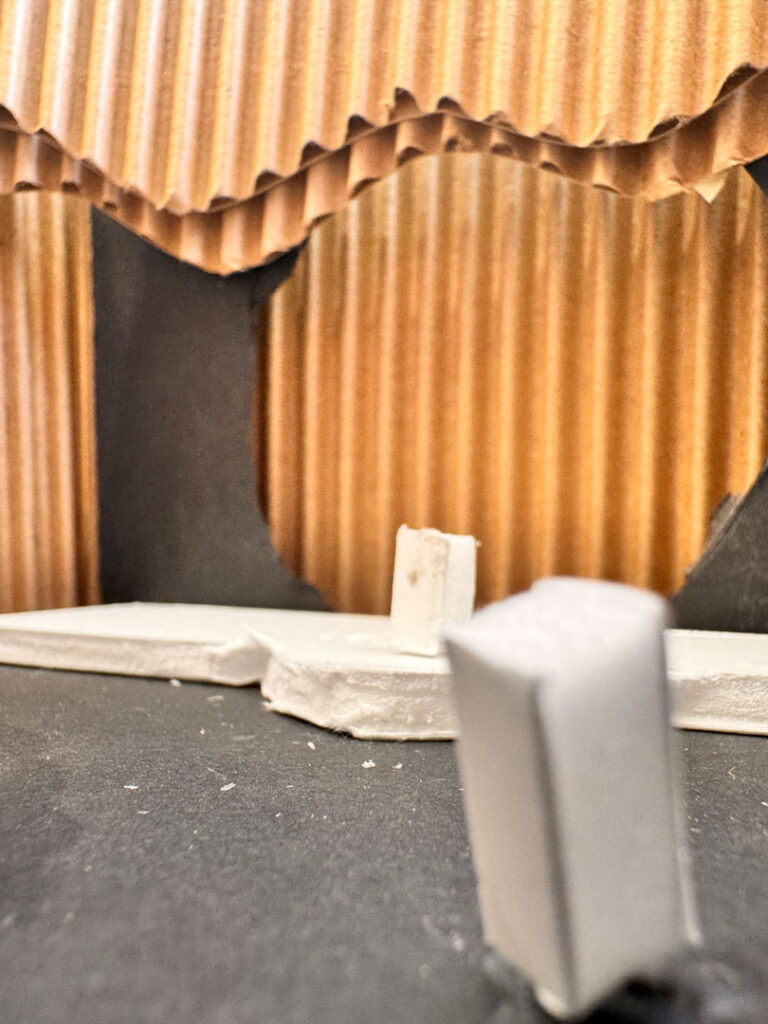
Interior design is not only about choosing furniture, colours, and decorations. It is also about understanding how people experience a space. Lighting, materials, proportions, and the arrangement of objects can change the feeling of an interior.
In an art gallery, lighting is especially important because it helps visitors focus on the artworks. Natural light can make a space feel open and comfortable, while carefully controlled artificial lighting can highlight particular details. Different lighting conditions can also change the appearance of colours, textures, and materials.
I would like to explore how light and shadow can become part of an interior design concept. For example, soft lighting and neutral colours can create a quiet atmosphere for visitors to appreciate artworks. In contrast, stronger lighting and darker surfaces may create a dramatic environment for a particular exhibition.
Materials are another important source of inspiration. Stone, wood, glass, metal, and concrete each have different textures and visual qualities. Combining these materials carefully can create a balance between warmth, strength, and simplicity.
By studying these elements, I can learn how to design interiors that are not only attractive but also comfortable and meaningful.
Spatial Design and Visitor Experience
One of the most interesting parts of gallery design is the way people move through an exhibition. A successful gallery should help visitors understand the relationship between different artworks while allowing them to explore at their own pace.
The arrangement of walls, entrances, corridors, and exhibition areas can influence the visitor experience. A narrow passage may create a feeling of discovery, while a large open room can provide a sense of freedom. A carefully placed artwork may encourage visitors to stop, look more closely, and think about its meaning.
This makes me interested in spatial planning and exhibition design. I want to understand how designers can guide people through a space without making the experience feel too controlled.
Accessibility is also an important part of good design. Visitors should be able to move around comfortably and access the exhibition areas safely. Clear pathways, readable signs, suitable seating, and thoughtful lighting can make a gallery more welcoming to people with different needs.
These ideas can also be applied to other environments, such as museums, libraries, shops, and public spaces.
Conclusion
The Vancouver Art Gallery reminds me that architecture, interior design, and art are closely connected. A building can tell a story through its structure, materials, and history, while an interior space can influence how people feel and interact with their surroundings.
For me, the gallery is more than a place to view art. It is an opportunity to observe design decisions, discover new possibilities, and develop my own creative ideas.
By studying architectural details, lighting, materials, and spatial arrangements, I hope to improve my understanding of architecture and interior design. In the future, I would like to create spaces that combine artistic expression with practical function and provide meaningful experiences for the people who visit them.